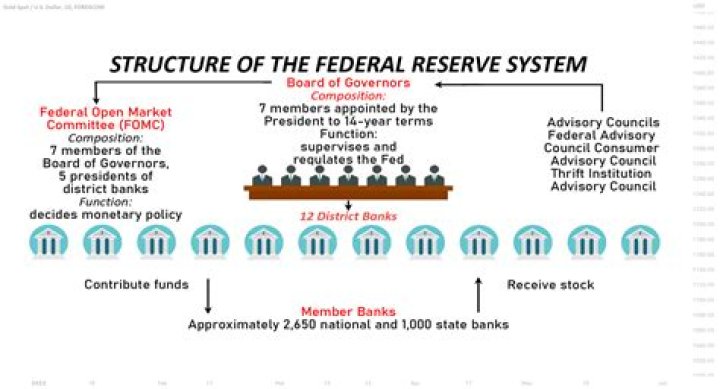
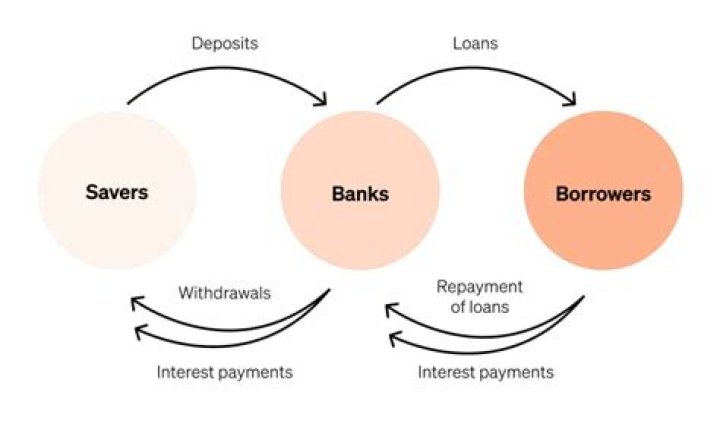
A central bank is a banker’s bank. It is normally part of or connected to the government of a country and manages the country’s financial system. A commercial bank provides banking services to businesses, institutions and some individuals. The money it takes in from its customers is deposited at its local central bank.
What type of bank is central bank?
Central Bank of India (CBI) is an Indian nationalised bank. It is under the ownership of Ministry of Finance , Government of India and is one of the oldest and largest nationalised commercial banks in India. It is based in Mumbai, the financial capital of India and capital city of state of Maharashtra.
Which banks are commercial banks?
As of October 2010, the following companies comprise the Commercial Bank Group:
- Commercial Bank of Cameroon (CBC) – Cameroon.
- Commercial Bank Chad (CBT) – Chad.
- Commercial Bank Centrafrique (CBCA) –
- Commercial Bank Equatorial Guinea (CBGE) –
- Commercial Bank São Tomé and Príncipe (CBSTP) –
- SFA Financial Products –
Is RBI central bank or commercial bank?
The Reserve Bank of India (RBI) is the central bank of India, which was established on Apr. 1, 1935, under the Reserve Bank of India Act.
How does the central bank controls the commercial bank?
Central banks affect the quantity of money in circulation by buying or selling government securities through the process known as open market operations (OMO). When a central bank is looking to increase the quantity of money in circulation, it purchases government securities from commercial banks and institutions.
What are the functions of commercial bank and central bank?
Difference and Comparison
Basis Central Bank Commercial Bank Other Functions Issuing government bonds, formulates banking regulations and fund clearance among member banks Safe deposits service, foreign exchange provision and letter of credit Note Printing Authority Yes No Monetary Authority Yes No Monetary Supply Function Yes No Which is main function of central bank?
Central banks carry out a nation’s monetary policy and control its money supply, often mandated with maintaining low inflation and steady GDP growth. On a macro basis, central banks influence interest rates and participate in open market operations to control the cost of borrowing and lending throughout an economy.
What are the disadvantages of commercial banks?
What are the Drawbacks? In a word: cost. Commercial banking or business accounts are often more expensive than traditional bank accounts. Banks may charge fees for night deposits, for processing a certain number of checks and for the payroll services.
What’s the difference between a commercial bank and a central bank?
The central bank is usually a public sector organization owned by the state in many countries. Whereas, commercial banks are held by both the public and private sectors. The former is an apex institution or the supreme body of the banking system.
Who is the head of a commercial bank?
However, a commercial bank is a financial institution which functions under the regulations of the central bank. Central bank’s chief is the Governor of the central bank. Whereas, commercial bank’s head is the Chairman of the respective commercial bank.
Why is the central bank called the bankers’bank?
Central bank is called as the bankers’ bank. Explain. The Central Bank is the apex body of the banking system. It supervises, co-ordinates and controls the operations and activities of the commercial banks. As their bank it undertakes following functions:
Who is the head of the Central Bank?
Central bank’s chief is the Governor of the central bank. Whereas, commercial bank’s head is the Chairman of the respective commercial bank. When the former is the only bank of its kind in the country, the latter has many institutions of different types.